What is Earnest Money?
Earnest money is a cash deposit made by a homebuyer to a seller to demonstrate their good faith and serious intent to purchase the property. When a seller accepts your offer, they must take their home off the market. The earnest money protects the seller financially in case you walk away from the deal without a valid legal reason.
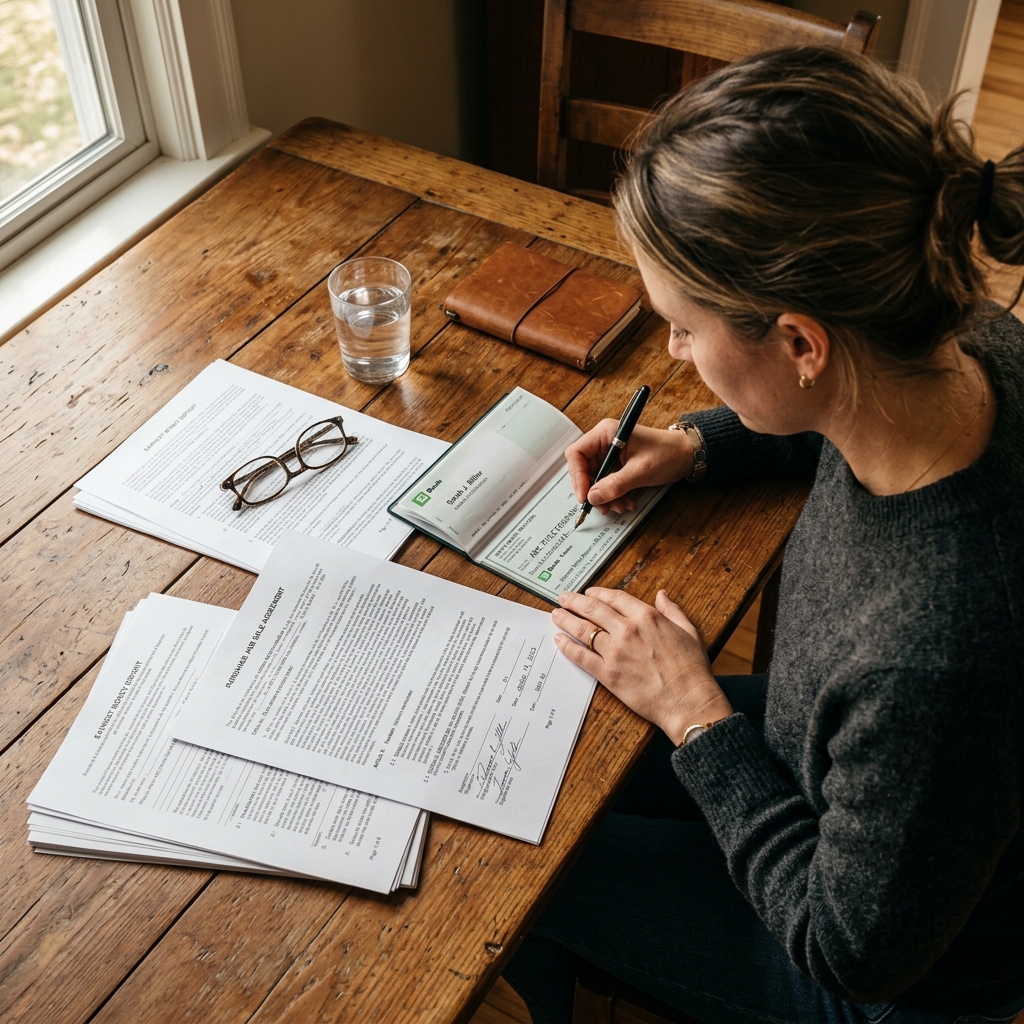
How Much Earnest Money Do You Need?
The standard earnest money deposit is typically between 1% and 3% of the home's purchase price. For example, if you are buying a $400,000 house, you can expect to write a check for $4,000 to $12,000 immediately after your offer is accepted.
In highly competitive real estate markets, buyers often offer a larger earnest money deposit (like 5% or even 10%) to make their offer stand out. A higher deposit signals to the seller that you have strong financial backing and are highly unlikely to break the contract.
Where Does the Money Go?
You do not hand the earnest money check directly to the seller. Instead, the funds are deposited into a secure third-party escrow account managed by a title company, real estate broker, or attorney.
The money sits in this escrow account until the transaction closes. If the sale goes through successfully, the earnest money is applied directly toward your down payment or closing costs. You do not lose this money; it simply pays for part of your house upfront.
Can You Lose Your Earnest Money?
Yes. If you simply change your mind, get cold feet, or find another house you like better after signing the purchase agreement, the seller is legally entitled to keep your earnest money as compensation for taking their home off the market.
However, your real estate agent will include "contingencies" in your contract to protect your deposit. You can safely back out of the deal and get your earnest money fully refunded if:
- Inspection Contingency: The home inspection reveals severe structural or safety issues that the seller refuses to fix.
- Appraisal Contingency: The home appraises for significantly less than your offer price.
- Financing Contingency: Your mortgage lender unexpectedly denies your loan application.
Frequently Asked Questions (FAQs)
Is earnest money the same as a down payment?
No. Earnest money is a good faith deposit made immediately after an offer is accepted. A down payment is the total percentage of the home's purchase price you are paying in cash at closing. However, your earnest money deposit will eventually be credited toward your total down payment amount when the loan closes.