What is a Bond?
A bond is essentially a loan that you (the investor) make to an organization (like a corporation or the government). In exchange for your money, the organization promises to pay you regular interest over a specific period, and then return your original money when the loan period ends.
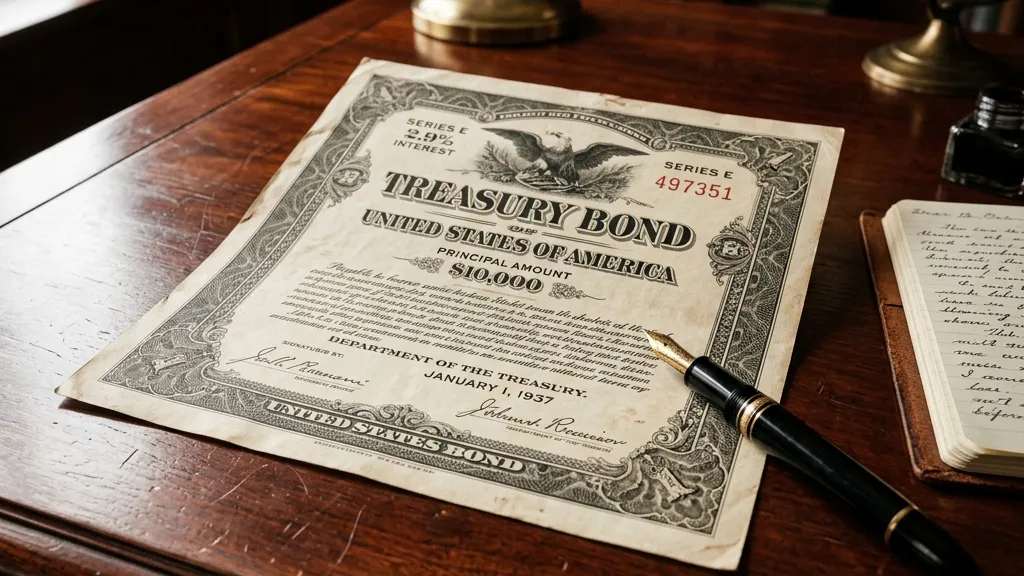
How a Bond Works (Key Terms)
Three core terms define how a bond works:
- Face Value (Par Value): The amount of money the bond is worth at the end of the loan. Typically, this is $1,000 per bond.
- Coupon Rate: The annual the bond issuer promises to pay you. If a $1,000 bond has a 5% coupon rate, you will receive $50 per year.
- Maturity Date: The exact date when the issuer must return your original Face Value. This could be 1 year, 10 years, or even 30 years in the future.
Why Do People Buy Bonds?
Unlike stocks, which can fluctuate wildly in value based on a company's profits, bonds provide fixed income. You know exactly how much interest you will receive and when you will receive it. Because bonds are less volatile than stocks, investors use them to reduce the overall risk in their portfolio.
The safest bonds in the world are U.S. Treasury Bonds, because they are backed by the United States government. Corporate bonds are issued by companies; they carry a higher risk of default, so they pay higher interest rates to attract investors. For more on evaluating bond risks and yields, see the SEC bond investment guide.