What is a Charge-Off?
A charge-off occurs when a creditor declares a debt unlikely to be collected and writes it off as a loss for accounting purposes. This is one of the most damaging marks that can appear on , but it does not mean the debt is forgiven.
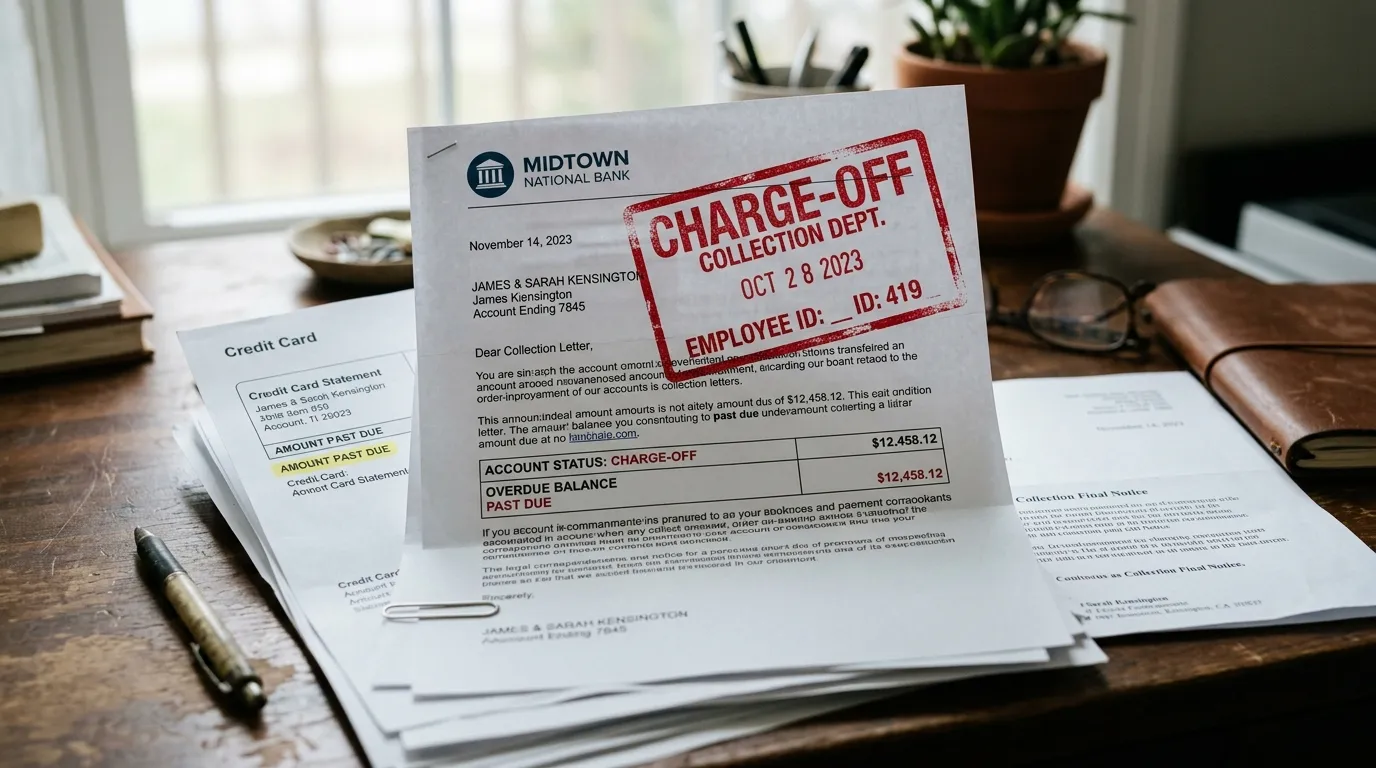
How a Charge-Off Works
If you fail to make payments on a credit card or loan for a sustained period—typically 180 days—the lender will eventually classify the account as a loss. They "charge off" the debt on their financial statements. The account will then show a status of "Charged-Off" on your credit report.
After charging off the debt, the original creditor will usually sell the account to a third-party collection agency for pennies on the dollar. The collection agency will then attempt to collect the full amount from you.
Impact on Your Credit Score
A charge-off is considered a major derogatory event. It can easily drop by 100 points or more. The charge-off will remain on your credit report for seven years from the date of the original delinquency (the date of your first missed payment that led to the charge-off).
Frequently Asked Questions (FAQs)
Should I pay a charged-off account?
Paying a charged-off account changes its status to "Paid Charge-Off," which looks better to future lenders than an unpaid one. Under newer scoring models, paying it off can help your score, though the historical late payments will still be visible.
Can a charge-off be removed?
A charge-off can only be removed before the seven-year mark if it was reported in error (via a dispute) or if you successfully negotiate a "pay-for-delete" agreement with the current owner of the debt.