What is a Credit Report?
A credit report is a detailed, documented history of a consumer's borrowing and repayment activity. Compiled by credit bureaus, this document serves as your financial resume, allowing lenders to evaluate your creditworthiness before approving a loan or credit card.
What Information is on a Credit Report?
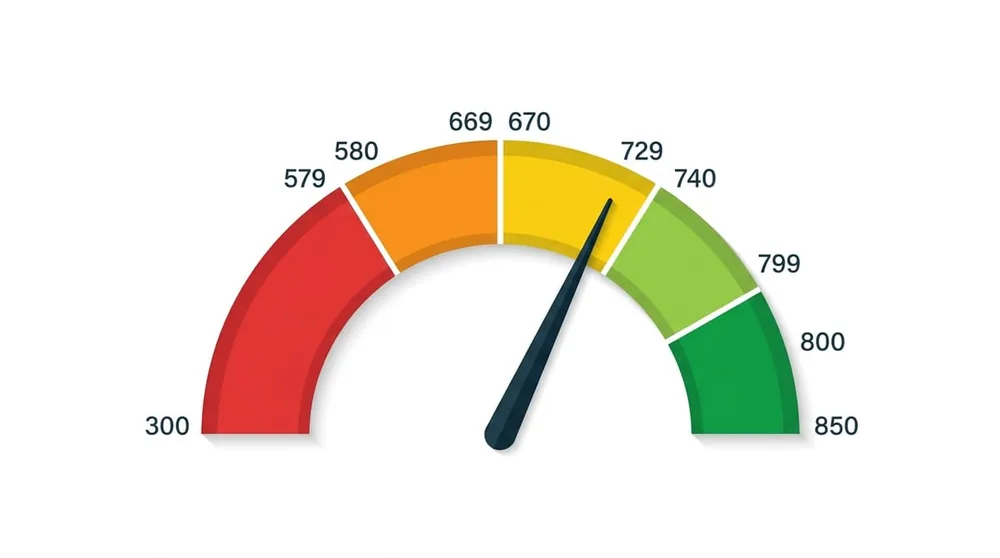
A standard credit report is divided into four main sections. It is important to note that your actual FICO score is not included in the report itself; rather, the score is calculated mathematically from the data within these sections.
- Personal Information: Your name, known aliases, current and past addresses, Social Security Number, and employment history.
- Credit Accounts (Tradelines): Detailed information on your credit cards, mortgages, auto loans, and student loans. This includes the date the account was opened, the credit limit, the current balance, and a month-by-month payment history.
- Public Records: Financial data sourced from state and county courts, primarily bankruptcies. (Tax liens and civil judgments were removed from credit reports in 2018).
- Hard Inquiries: A record of every entity that has pulled your credit report to make a lending decision over the past two years. Read more about hard inquiries.
Who Checks Your Credit Report?
Credit reports are not strictly limited to banks. Your data may be legally accessed by:
- Lenders and Creditors: To determine loan approval and interest rates.
- Landlords: To evaluate your reliability as a tenant before signing a lease.
- Employers: For background checks (requires your explicit written consent).
- Insurance Companies: To calculate premiums for auto or homeowners insurance in certain states.
Frequently Asked Questions (FAQs)
How long does negative information stay on my report?
Late payments, collections, and charge-offs remain on your credit report for exactly 7 years. A Chapter 7 bankruptcy remains visible for 10 years.
Do credit bureaus share information with each other?
No. Experian, Equifax, and TransUnion are competitors and do not share their databases. This is why a collection account might appear on your Equifax report but be entirely absent from your TransUnion report.