How to Choose Your First Credit Card in 2026
Selecting a first credit card establishes the foundation of your credit history. The right card provides a manageable entry into borrowing, establishing positive data with credit bureaus. The wrong choice can lead to recurring fees, predatory interest rates, and long-term debt accumulation. This guide outlines the factual criteria for evaluating beginner credit cards.
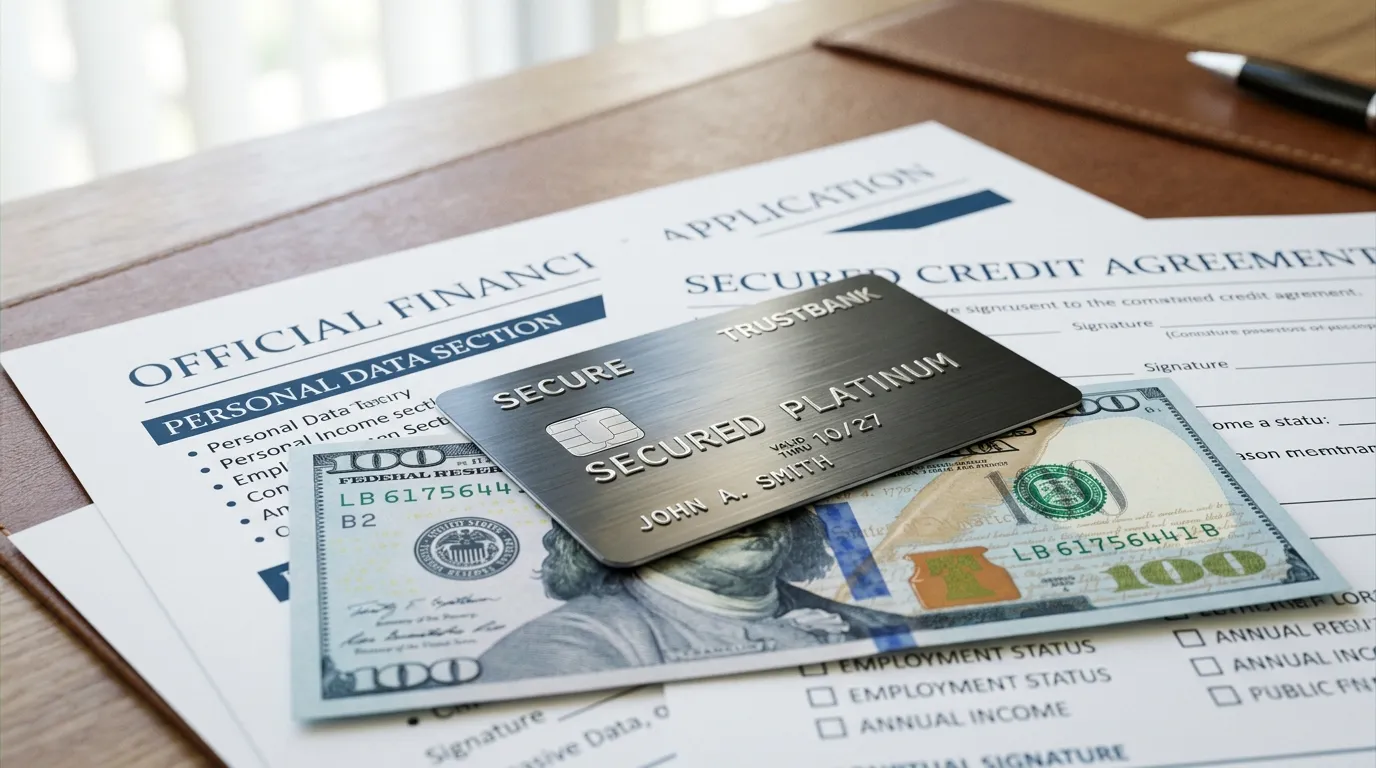
1. Assessing Credit Profile and Eligibility
Approval for credit products depends directly on historical borrowing data. Individuals without prior loan or credit card history possess a "thin file," which disqualifies them from premium rewards cards. Identifying the correct category of entry-level cards prevents rejected applications, which negatively impact emerging credit scores.
The two primary categories for individuals with zero credit history are student cards and secured cards. Student credit cards are restricted to enrolled university students; they typically waive security deposits and offer modest rewards, assuming future earning potential. Secured credit cards are available to the general public. They require a refundable cash deposit that serves as collateral and dictates the credit limit.
2. Analyzing the Fee Structure
Entry-level credit cards should function strictly as credit-building tools, not as expenses. Evaluate the fee structure meticulously to avoid unnecessary costs.
- Annual Fees: Starter cards should not charge annual fees. Paying a yearly subscription to build credit is mathematically inefficient. Maintaining an account long-term is necessary for establishing average credit age; an annual fee makes holding a starter card expensive over a decade.
- Late Payment Fees: Understand the penalties for missing a billing cycle. While the objective is to pay in full monthly, knowing the fee structure prevents surprises. Set up automatic payments to eliminate this risk entirely.
- Foreign Transaction Fees: Standard cards charge approximately 3% on purchases processed outside the home country. If international travel is anticipated, prioritize cards explicitly stating zero foreign transaction fees.
3. Understanding Interest Rates (APR)
The Annual Percentage Rate (APR) dictates the cost of carrying a balance from one month to the next. Starter cards inherently carry higher APRs, often exceeding 25%, to offset the lender's risk of issuing credit to unproven borrowers.
However, the APR is entirely irrelevant if the cardholder utilizes the grace period effectively. By paying the statement balance in full before the due date every month, zero interest is charged. The card functions essentially as a delayed debit card. A Credit Card Payoff Calculator demonstrates how quickly high-APR balances compound if minimum payments are utilized instead.
4. Evaluating Upgrade Paths and Graduation
When selecting a secured credit card, verify the issuer's policy on "graduation." This refers to the process where the lender reviews the account after a period of responsible use (typically 6 to 12 months) and transitions the secured card to an unsecured card, refunding the initial cash deposit.
Select issuers that automate this review process. If the issuer does not offer a graduation path, the only way to recover the deposit is to close the account, which negatively impacts the length of credit history. Ensure the issuing bank offers higher-tier unsecured cards that the starter account can eventually transition into.
5. Credit Limit and Utilization Ratio
The initial credit limit on a first card will be low, frequently between $200 and $500. This low limit requires careful management of the credit utilization ratio—the percentage of available credit currently in use.
Credit bureaus penalize scores when utilization exceeds 30%. On a card with a $300 limit, spending $100 utilizes 33% of available credit, potentially lowering the score. To build credit effectively with a low limit, use the card for a single small recurring subscription (such as a streaming service), set it to autopay, and leave the physical card at home.
6. Navigating Rewards Programs
While rewards are secondary to the primary goal of establishing credit, many modern starter cards offer cash back on purchases. This effectively functions as a small percentage discount on everyday spending.
Beginners should prioritize simplicity. A flat-rate cash back card (e.g., 1.5% on all transactions) is easier to manage than tiered category cards that require tracking rotating bonuses. Avoid cards that offer complex point systems or travel miles, as these often require higher spending thresholds to extract value.
Frequently Asked Questions (FAQs)
Can I get a credit card with no credit history?
Yes. Secured credit cards and student credit cards are specifically designed for individuals with zero credit history. Issuers use alternative data, such as income verification or bank account cash flow, to approve applicants.
How long should I keep my first credit card open?
It is highly recommended to keep your oldest credit card account open indefinitely. The length of your credit history accounts for 15% of your FICO score. Closing your oldest account shortens your average credit age and lowers your overall available credit limit.
Does checking my credit score lower it?
No. Checking your own credit score is classified as a "soft inquiry" and has zero impact on your score. Only "hard inquiries," which occur when a lender reviews your file after you apply for new credit, cause a temporary deduction in points.