Secured vs Unsecured Credit Cards
When establishing or rebuilding credit, consumers must choose between secured and unsecured credit cards. While both types report to major credit bureaus and allow you to make purchases, they differ significantly in their collateral requirements and risk to the lender.
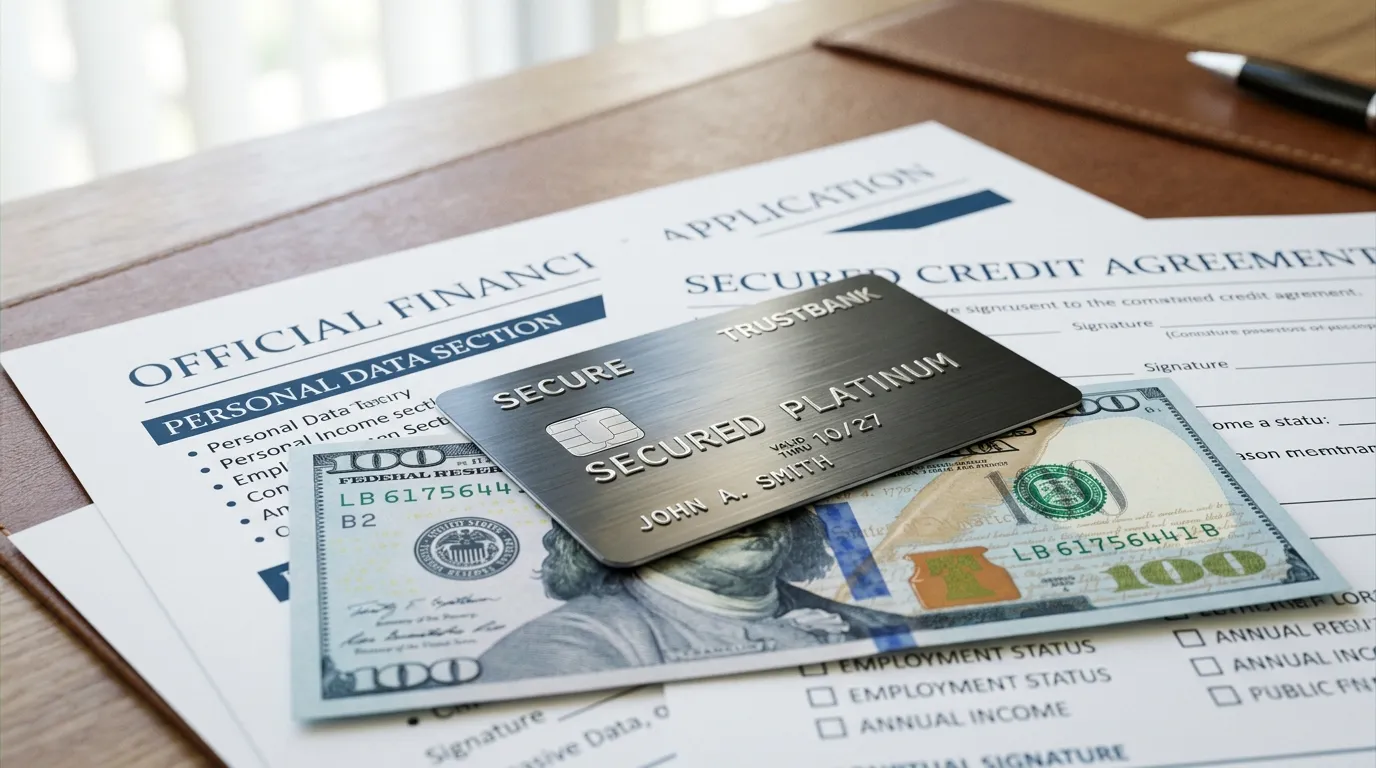
What is a Secured Credit Card?
A secured credit card requires the cardholder to place a refundable cash deposit with the issuing bank. This deposit serves as collateral. If you default on your payments, the bank claims the deposit to cover the debt. The CFPB explains the difference between secured and unsecured credit cards, including how secured cards help build or rebuild credit history.
Because the bank assumes very little risk, secured cards are accessible to individuals with poor credit scores or no credit history. Typically, the size of your deposit dictates your credit limit (e.g., a $500 deposit results in a $500 credit limit).
What is an Unsecured Credit Card?
An unsecured credit card does not require collateral. The issuer grants a credit limit based entirely on your perceived creditworthiness, evaluating factors such as your FICO score, income, and debt-to-income ratio.
Since the issuer assumes more risk, unsecured cards have stricter approval requirements. However, they generally offer higher credit limits, lower interest rates, and better reward programs than secured cards.
Direct Comparison
| Feature | Secured Card | Unsecured Card |
|---|---|---|
| Deposit Required | Yes (Refundable) | No |
| Approval Difficulty | Easy (No credit required) | Moderate to Hard |
| Credit Limits | Low (Tied to deposit) | High (Based on income/credit) |
| Reward Programs | Rare / Basic | Common / Robust |
Frequently Asked Questions (FAQs)
When should I transition from a secured to an unsecured card?
You should consider transitioning after 6 to 12 months of consecutive on-time payments. Many issuers will automatically review your account and "graduate" you to an unsecured card, returning your initial deposit.
Does closing a secured card hurt my credit?
Closing any credit card reduces your total available credit, which can increase your credit utilization ratio and temporarily lower your score. It is generally preferable to ask the issuer to upgrade the card rather than closing it.