What is a Routing Number?
A Routing Number (also known as an ABA routing transit number) is a nine-digit code that identifies the specific bank or credit union where you opened your account. It acts like a digital address, ensuring that electronic transfers and physical checks are delivered to the correct financial institution.
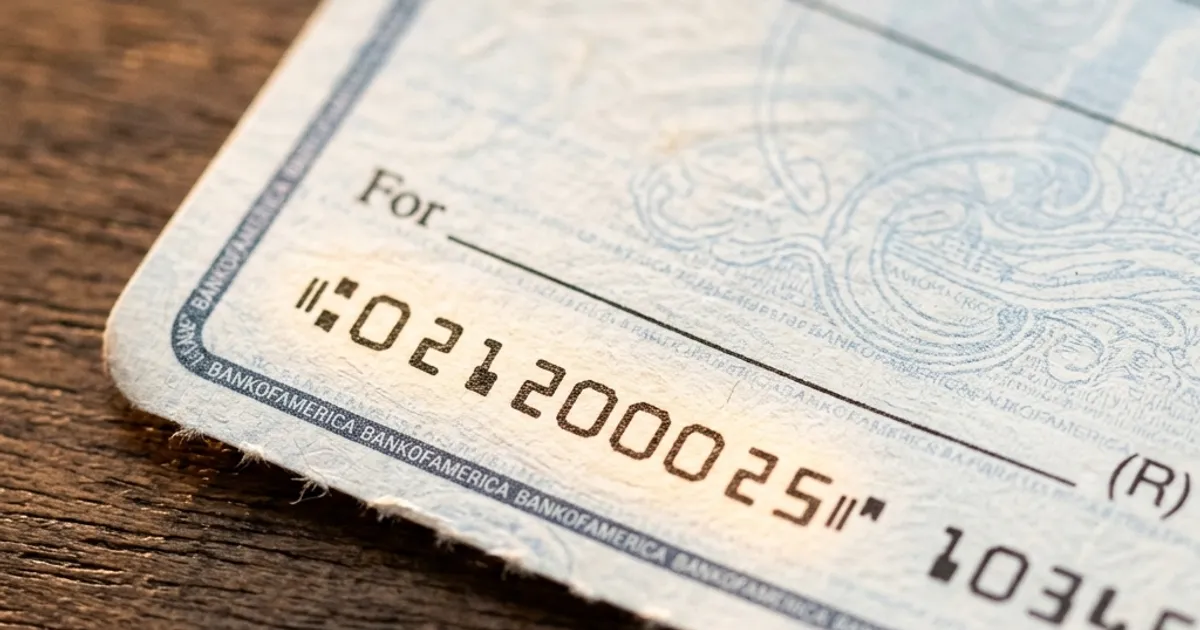
How to Find Your Routing Number
If you have a physical checkbook, look at the bottom left corner of any check. You will see a series of numbers printed in a special magnetic ink font. The first set of exactly nine digits is your routing number. The second set of numbers is your personal account number, and the third set is the check number.
If you do not have a checkbook, you can easily find your routing number by logging into your bank's website or mobile app and looking for an "Account Details" or "Direct Deposit" section. Because routing numbers are public information for the bank, you can also often find them simply by searching your bank's name and your state on Google.
✔ When Do You Need It?
You will be asked to provide your routing number in these common scenarios:
- Direct Deposit: When you start a new job, HR needs this number to route your paycheck to your Money Market Account or checking account.
- Auto-Pay Bills: Setting up automatic payments for utilities or credit cards directly from your bank.
- Automated Transfers: If you are following a plan to automate your savings to a separate external bank account.
Routing Number vs. Account Number
Your routing number identifies the bank (like Chase or Bank of America), while your account number identifies your specific account at that bank. Think of the routing number as the ZIP code of your bank, and the account number as your specific house number.
It is perfectly safe to share your routing number; it is not a secret. However, you must protect your account number closely. If someone has both your routing and account numbers, they can attempt to withdraw money, which could trigger an overdraft if you lack funds.
Frequently Asked Questions (FAQs)
Does my bank have more than one routing number?
Yes. Large national banks often have different routing numbers for different states or regions where you opened the account. Always verify the specific routing number assigned to your home branch.
Can I use my routing number to send money internationally?
No. US routing numbers are only for domestic transfers within the United States. To send or receive money internationally, you need a SWIFT code or a BIC (Bank Identifier Code).