What is the Pay Yourself First Rule?
The Pay Yourself First rule is a financial strategy where you immediately route a portion of your income into savings or investments the moment you get paid. You secure your financial future before you pay rent, buy groceries, or spend money on entertainment.
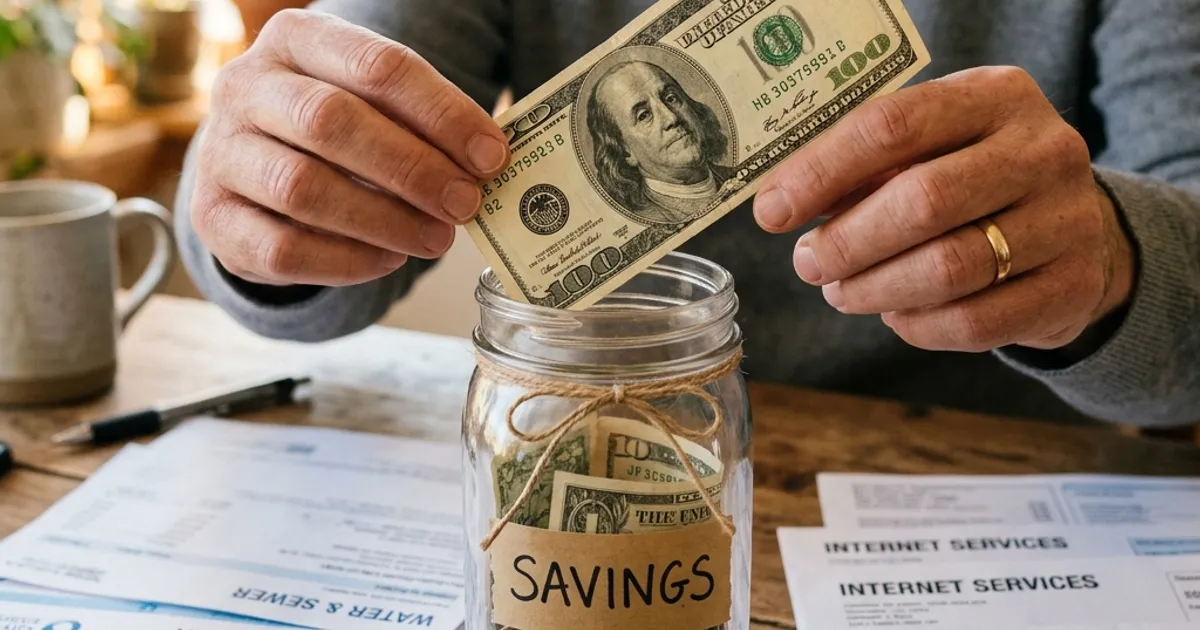
How It Flips the Traditional Budget
Most people budget backward. They get their paycheck, pay their rent, pay their credit cards, buy food, go out on the weekends, and then try to save whatever is left over at the end of the month. Usually, nothing is left.
Paying yourself first reverses the math. If you want to save $500 a month, you transfer that $500 to a separate savings account on payday. Then, you force yourself to live on the remainder. If you run out of money for dining out, you simply stop dining out. This method pairs perfectly with automating your savings.
✔ The 3 Best Ways to Pay Yourself First
You can set this up today using automated systems:
- 401(k) Contributions: Money is deducted straight from your gross paycheck before it even hits your bank account. This is the ultimate "pay yourself first" mechanism.
- Direct Deposit Split: Ask your employer's HR department to split your paycheck: 80% to checking and 20% directly to a separate high-yield savings account.
- Auto-Transfers: If you are self-employed, set up an automatic recurring transfer at your bank on the 1st of every month.
Why It Beats Lifestyle Creep
As your salary increases, it is very easy to accidentally inflate your lifestyle. If you get a $300 raise, you might start taking more Ubers instead of the bus. This is known as lifestyle creep.
By using the pay yourself first method, you can increase your automatic savings transfer by $300 the exact same day your raise takes effect. You will never see the extra money in your checking account, so you will never be tempted to spend it. If you want to be extremely precise with where the rest of your money goes, you can combine this rule with Zero-Based Budgeting.
Frequently Asked Questions (FAQs)
What if I don't have enough money left to pay my bills?
If paying yourself first causes you to miss rent or minimum debt payments, your savings target is too high. Use a Savings Goal Calculator to set a smaller, realistic target (even $50 a month) until your income increases or you cut major expenses.
Where should I put the money?
Start by building a liquid cash emergency fund in a high-yield savings account. Once you have 3 to 6 months of expenses saved, you can start directing the money into investment accounts like a Roth IRA.