What is Overdraft Protection?
Overdraft Protection is a banking service that prevents your transactions from being declined when you do not have enough money in your checking account. Instead of rejecting your card, the bank covers the difference, usually by charging you a steep flat fee per transaction.
How It Works
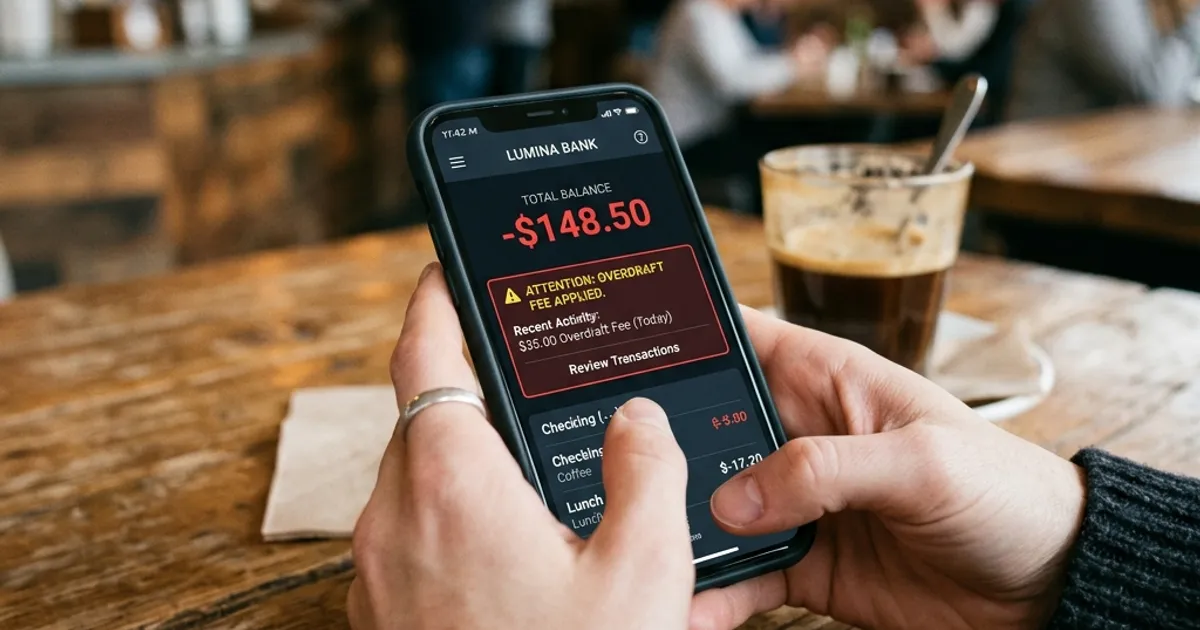
Imagine you have $10 in your checking account, but you try to buy a $15 lunch using your debit card. Without overdraft protection, the transaction is simply declined. It is slightly embarrassing, but you lose no money.
With overdraft protection, the bank approves the $15 transaction. Your account balance drops to -$5.00, and the bank immediately hits you with a $35 overdraft fee. Now, your balance is -$40.00. You essentially just took out a $5 micro-loan and paid $35 in interest for it.
✔ The "Linked Account" Alternative
Instead of standard fee-based overdraft protection, you can often set up a much cheaper alternative:
- Transfer: You can link your checking account directly to your savings account.
- How it works: If you overdraw, the bank automatically pulls the missing funds from your savings.
- The Cost: Most banks charge a much smaller transfer fee (around $5 to $10) instead of the massive $35 overdraft fee, and some modern banks do it entirely for free.
Should You Opt Out?
In 2010, the federal government made a law that banks cannot automatically enroll you in debit card overdraft protection. You have to "opt-in." Financial experts almost universally recommend that you opt out.
It is far better to have your card declined at the register than to inadvertently rack up hundreds of dollars in fees over a few small purchases. The best defense against overdrafting is to use a Paycheck Budget to track your money before you spend it.
Frequently Asked Questions (FAQs)
What is a Non-Sufficient Funds (NSF) fee?
An NSF fee is similar to an overdraft fee, but it happens when a transaction (like a bounced check or an auto-pay bill) is declined because you don't have the money. The bank rejects the payment but still charges you a fee for the hassle.
Can I get an overdraft fee waived?
Yes! If you rarely overdraft your account, you can usually call your bank's customer service line, explain it was an honest mistake, and ask them to waive the fee as a one-time courtesy. They will almost always say yes to first-time offenders.